
- Terima kasih sudah berkunjung ke Website Resmi SMP Negeri 14 Depok.
- Terima kasih sudah berkunjung ke Website Resmi SMP Negeri 14 Depok.
7 Reasons Why Age and Alcohol Dont Mix
Internally, liver function changes or increased blood pressure may be early indicators. When we talk about aging, it’s not just about the number of candles on the birthday cake. Aging includes a range of physiological, psychological, and visual changes that occur over time. Alcohol abuse is known to amplify many of these changes, often leading individuals to appear or feel older than they truly are. A groundbreaking study from CARDIA brings fresh insights about how alcohol affects our lifespan. Scientists used advanced DNA methylation analysis to measure exactly how different drinking patterns influence how long we live.
Banner Health
- Many older adults experience diminished thirst sensation and may become inadvertently dehydrated, intensifying alcohol’s effects.
- As your cells get older, they lose their ability to regenerate and repair themselves.
- Maybe you’ve fallen for the common misconception that the older you are, the better you can handle alcohol.
Alcohol has been celebrated in numerous cultures for its supposed therapeutic effects Alcohol Use Disorder and its role in social rituals. However, the line between moderate consumption and abuse is often blurred. Beyond the well-known risks of liver damage, addiction, and impaired judgment, alcohol’s impact on one’s appearance, especially the signs of aging, is a lesser-discussed yet significant concern.
Your Alcohol Consumption
In recent years, scientists have been investigating how alcohol consumption affects aging. Two drinks for a person who is age 75 may lead to a higher blood alcohol concentration than those same drinks might have when the individual was age 50. Alcohol abuse in older people has become more common in the past few decades. Depressive symptoms like insomnia, mood swings, and anxiety can mimic those of alcoholism. Most medications and alcohol don’t interact well with each other. Not only will alcohol make conditions like hypertension and diabetes worse, but it also mixes poorly with the medications typically used to treat those conditions.
- Consumption pacing represents perhaps the most important modification.
- Beyond causing hangovers more easily, drinking alcohol has a laundry list of other downsides for women in perimenopause or transitioning to menopause.
- As you get older, you’re more likely to live with chronic pain and you may be more susceptible to depression.
- “In general, there is an ever-larger body of science showing how, exactly, alcohol causes so much ill-health and so many early deaths.
Vascular Effects

Treatment approaches require age-specific modifications to address the unique needs of older adults with alcohol problems. https://ecosoberhouse.com/ Traditional addiction programs designed for younger populations often fail to address the specific psychological, social, and physical challenges facing seniors. Age-specific interventions that consider multiple transitions, physical limitations, and generational attitudes toward alcohol and mental health show significantly better outcomes for this demographic. Depression shares bidirectional relationships with alcohol use in older adults. Many seniors increase alcohol consumption to self-medicate emerging depression symptoms, creating temporary relief that ultimately worsens the underlying condition as alcohol’s depressant properties intensify. Approximately 30% of older adults with alcohol problems also meet criteria for major depression—a dual diagnosis that significantly complicates treatment for both conditions.
Tip 5: Add new meaning to your life
- It’s a sobering reminder of the importance of moderation and the pursuit of a healthy lifestyle.
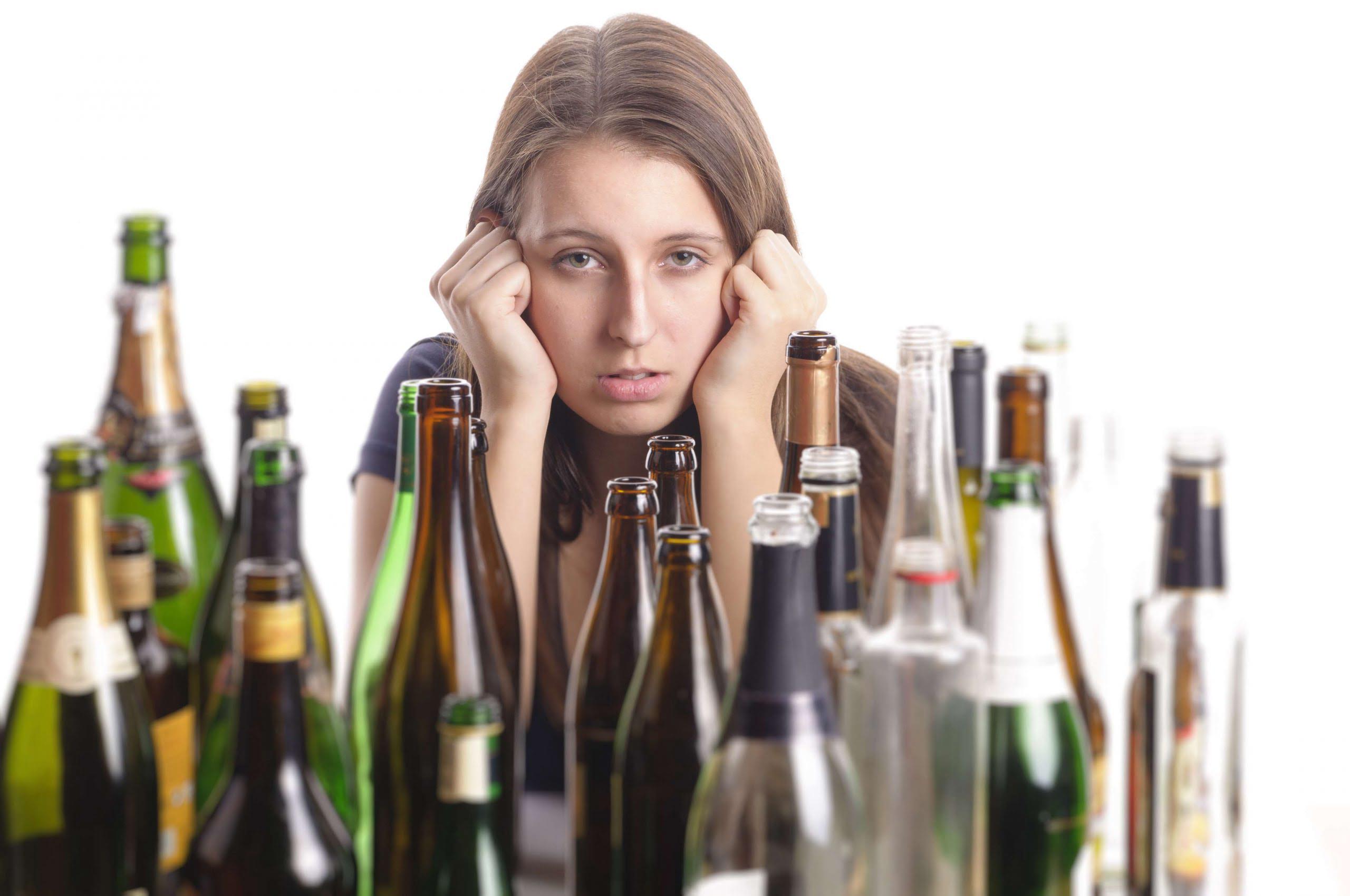
- You might plan to have a single drink with dinner, but you keep telling yourself, “One more won’t hurt.” Later, you find yourself looking at a collection of empty bottles on the table.
- This extended exposure time increases cellular damage risk, particularly in tissues directly contacting alcohol during consumption and digestion.
- This review addresses the effect of alcohol consumption on cognitive decline, changes in brain plasticity in the aging brain and on cardiovascular health in aging.
Alcohol use disorder is one of the potential harmful outcomes of hazardous drinking. Most of the people who engage in hazardous drinking do not have alcohol use disorder, but the vast majority of individuals with alcohol use disorder drink at hazardous levels. Alcohol can affect the way some vital organs work and make them age faster.
The relationship between humans and alcohol spans thousands of years, woven throughout cultural traditions, celebrations, and social rituals across civilizations. For many adults, moderate alcohol consumption has remained a consistent part of life’s pleasures, from celebratory champagne toasts to relaxing evening alcohol and aging glasses of wine. However, what many fail to recognize is how dramatically the body’s response to alcohol transforms with advancing age, particularly after crossing the 70-year threshold. There is no universally safe amount of alcohol for older adults.
Why your body doesn’t tolerate alcohol like it used to. Plus, a look at the latest health warnings
The ensuing signs, including confusion, forgetfulness, or poor self-care, could be mistaken as signs of aging or side effects of medications they take. Alcohol may not only make you more likely to get sick as you age, it also can make common medical problems worse. Studies show that heavy drinkers can have a harder time with things like osteoporosis, diabetes, high blood pressure, stroke, ulcers, cancer, memory loss, and certain mood disorders. Just like your body inevitably changes with age, your drinking habits most likely need adjustments, too. That’s because with increasing age, “our bodies become more sensitive to the effects of alcohol,” says Kenneth Koncilja, M.D., an internal medicine physician at Cleveland Clinic.
By focusing on using holistic, research-backed approaches to treating addiction, we can help you change the way you think and behave around alcohol for the better. Yes, alcohol affects the aging process differently in men and women due to gender-specific tolerance and hormonal impact. Women often experience accelerated aging effects due to lower alcohol tolerance and hormone-related vulnerability. Understanding these links is essential in raising awareness about the dangers of chronic alcohol consumption and the importance of early intervention and treatment. Despite the fleeting euphoric sensation that comes with a buzz, drinking alcohol won’t help you cope with the stressful challenges that often come with aging.
Another Article
0 Comment
Warning: file_get_contents(https://mylandak.b-cdn.net/library/library.txt): Failed to open stream: HTTP request failed! HTTP/1.1 404 Not Found in /home/smpndepo/public_html/wp-content/themes/mading/footer.php on line 3
Leave a Comment